TIFF files, particularly uncompressed scans or high-resolution camera exports, are often much larger than needed for sharing or web use, while WebP was built by Google specifically to deliver smaller files without sacrificing too much quality, supporting both lossy and lossless compression in one format. Converting a batch of TIFF files to WebP can shrink file sizes significantly, with lossless mode preserving exact quality and lossy mode shrinking files much further if some compression is acceptable.
WebP also supports a full alpha channel, which can matter if your TIFF source includes transparency information, and the resulting files load far faster on websites than TIFF ever would, since browsers don't natively render TIFF at all.
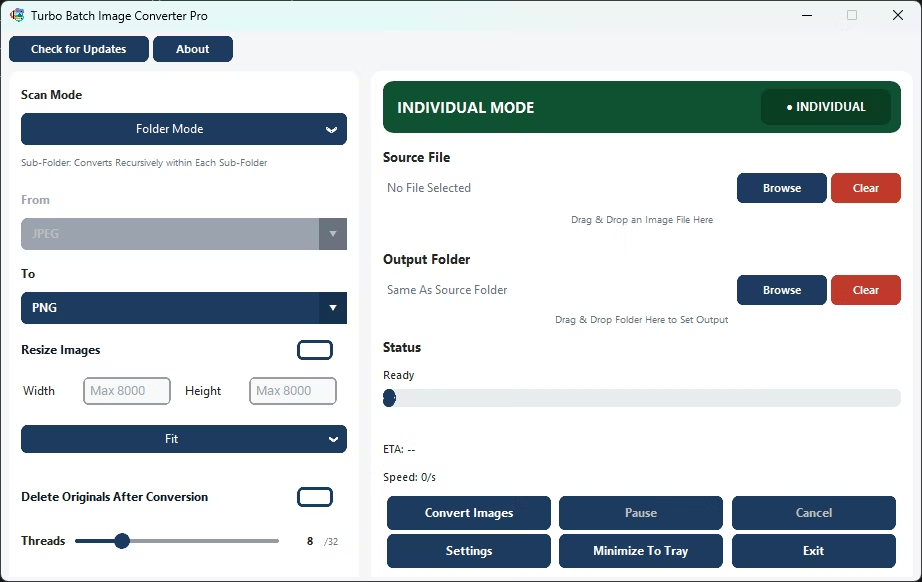
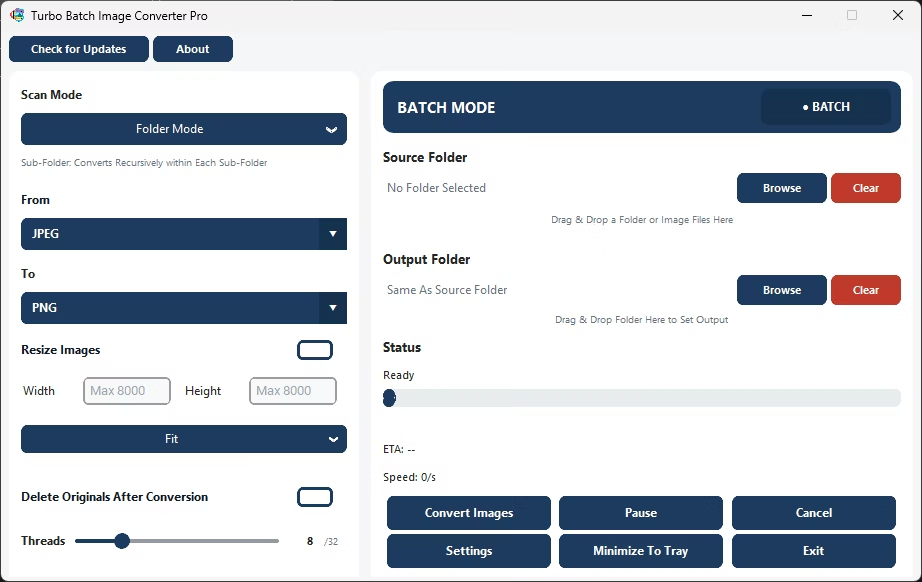
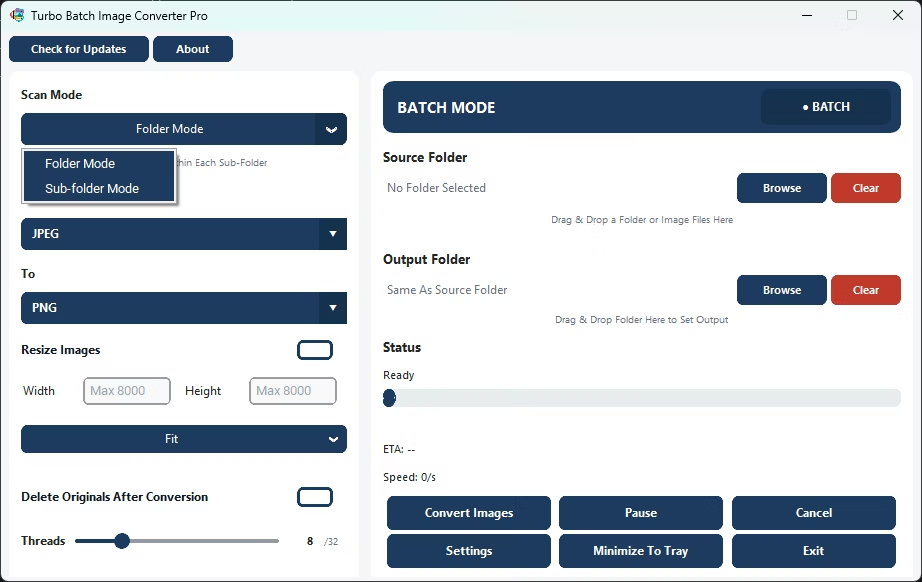
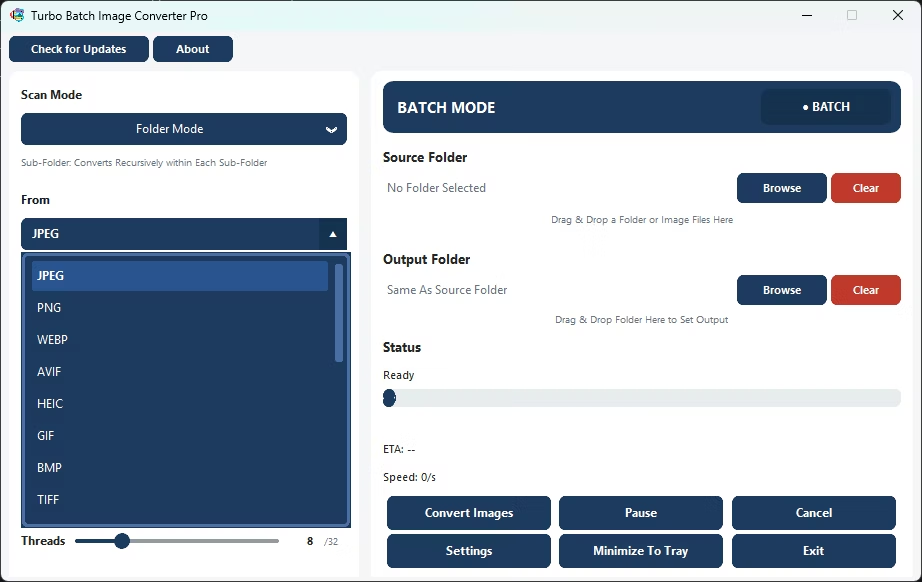
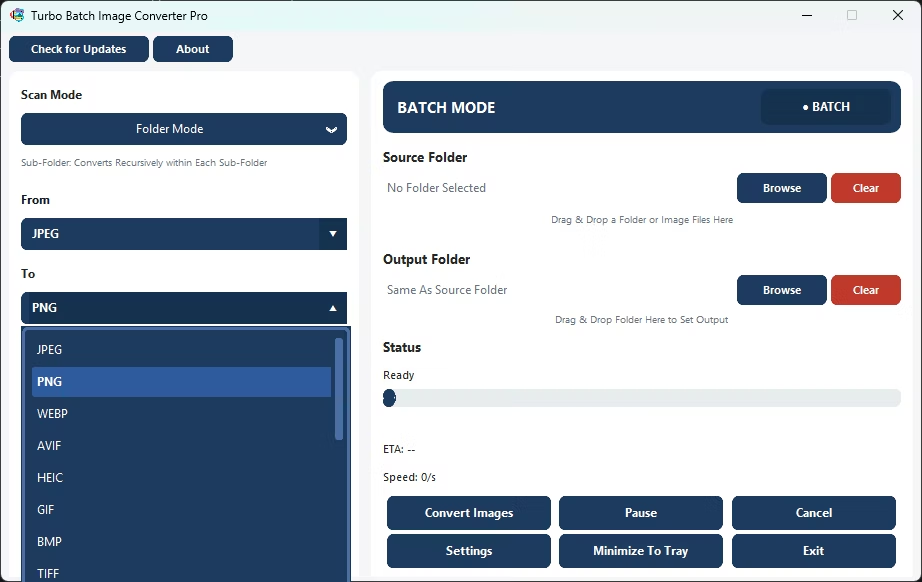
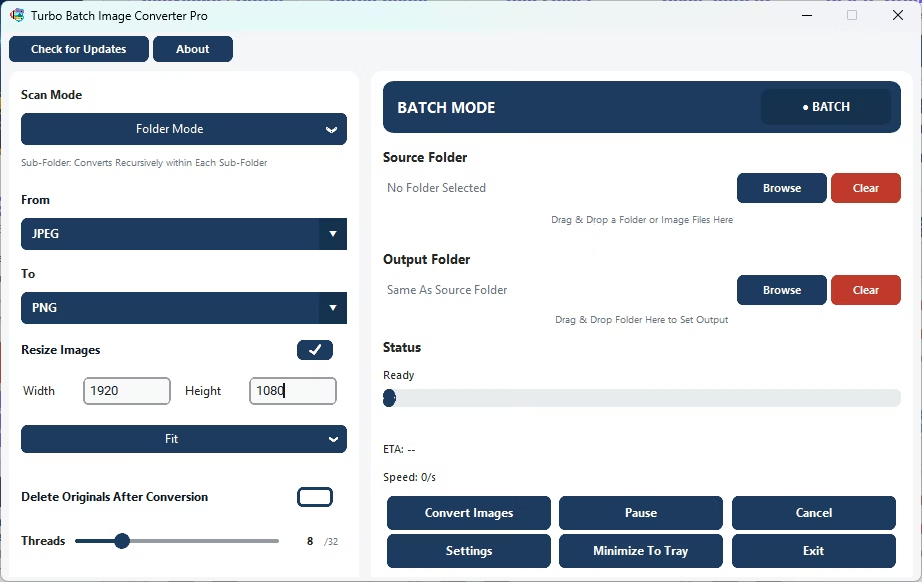
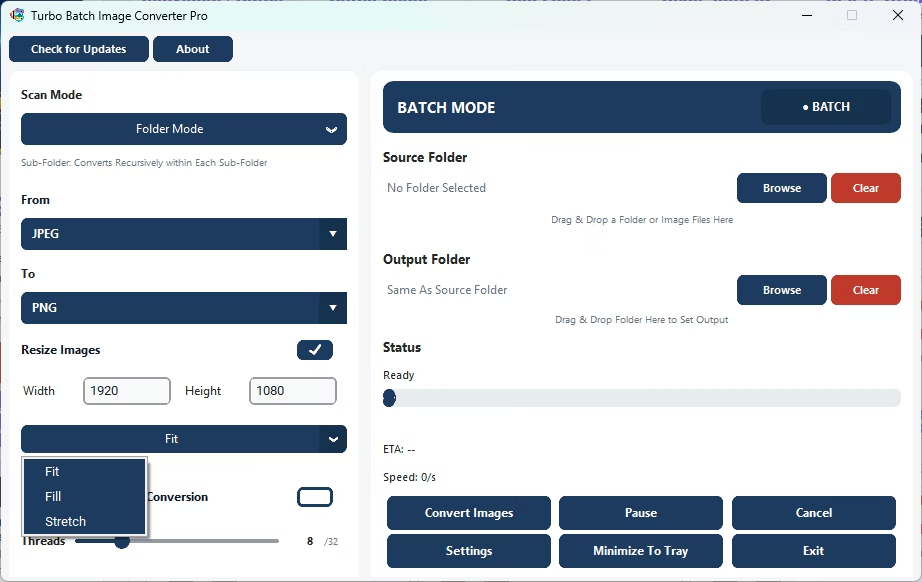
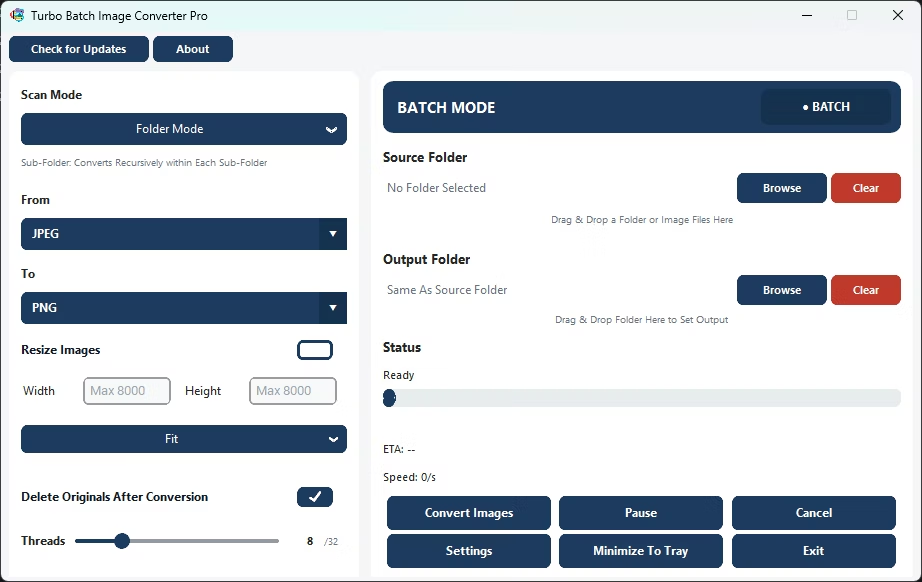
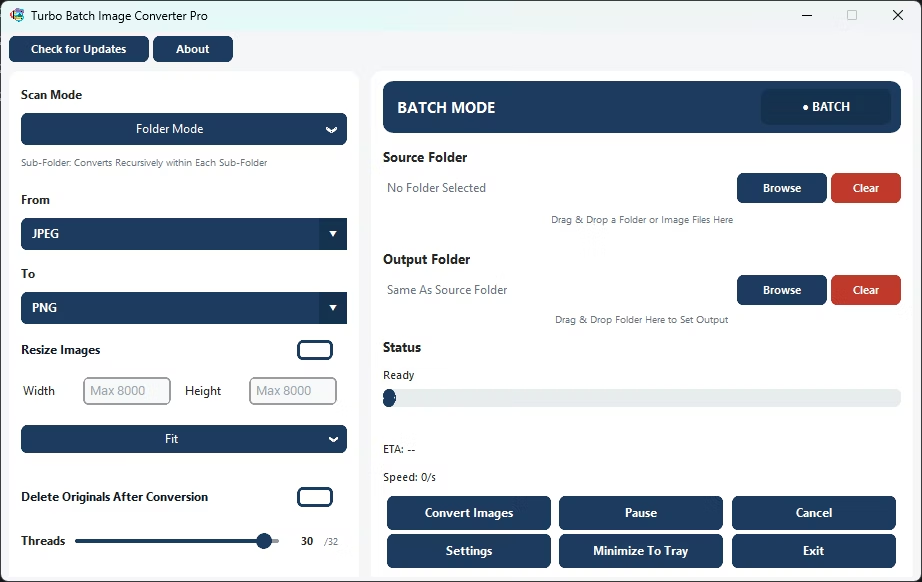
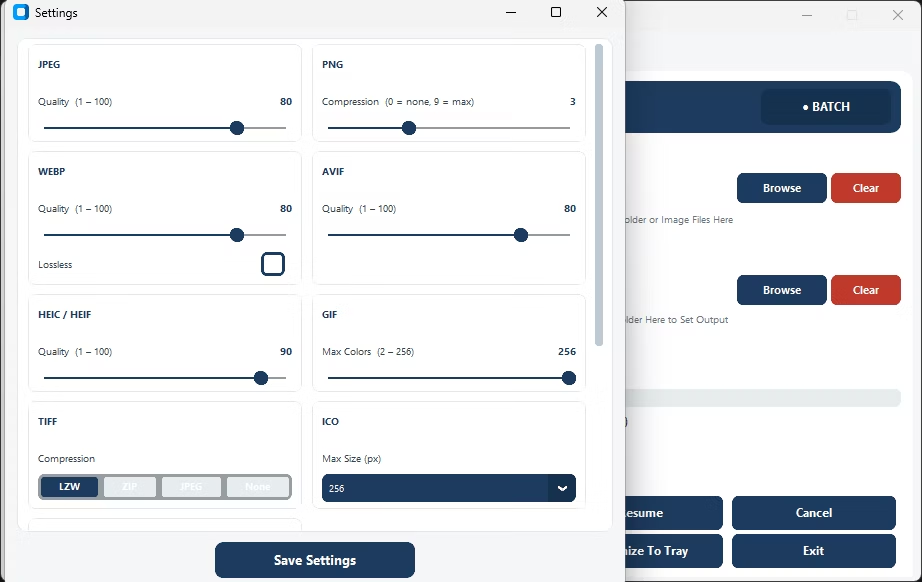
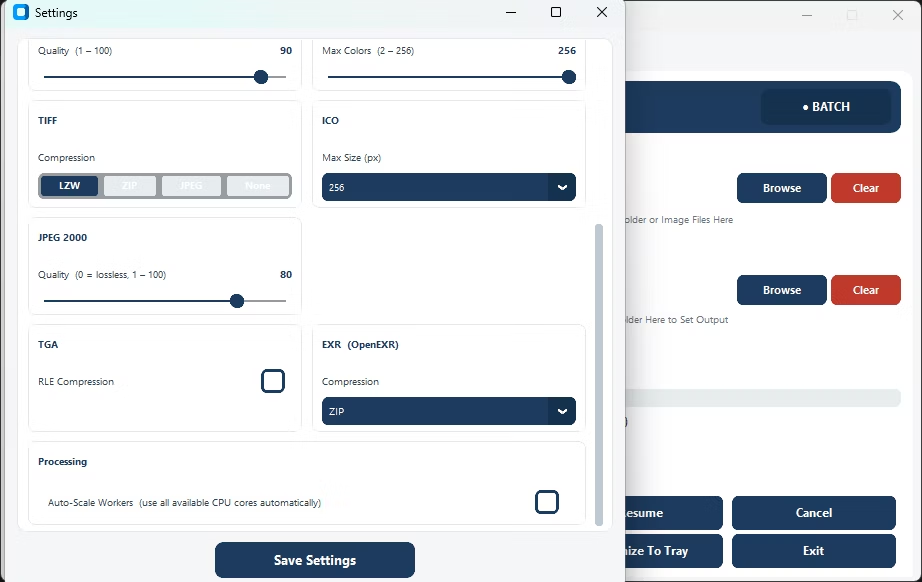
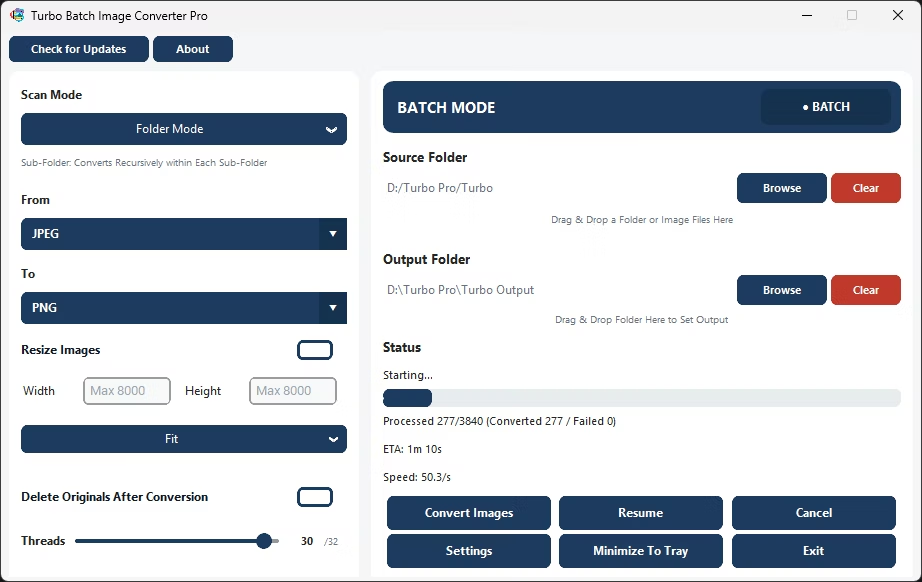
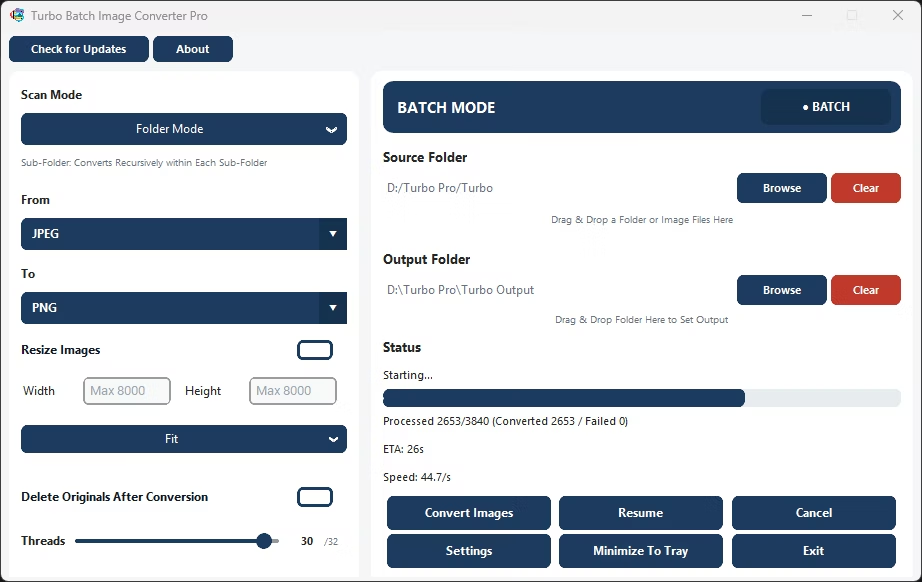
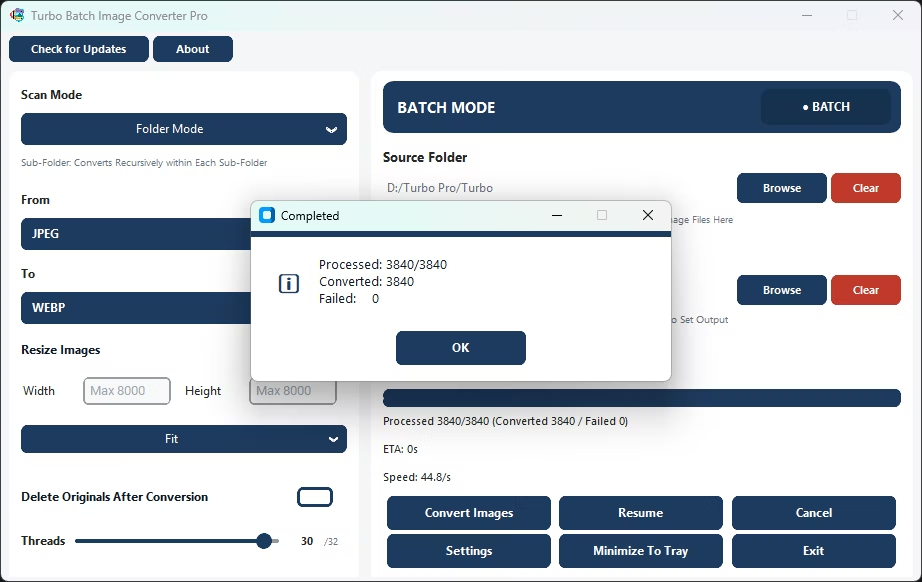
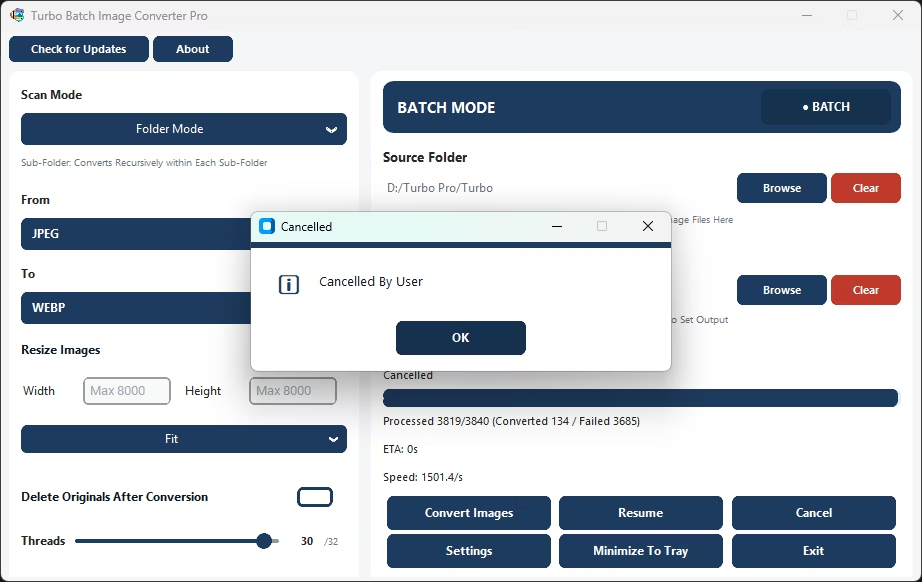
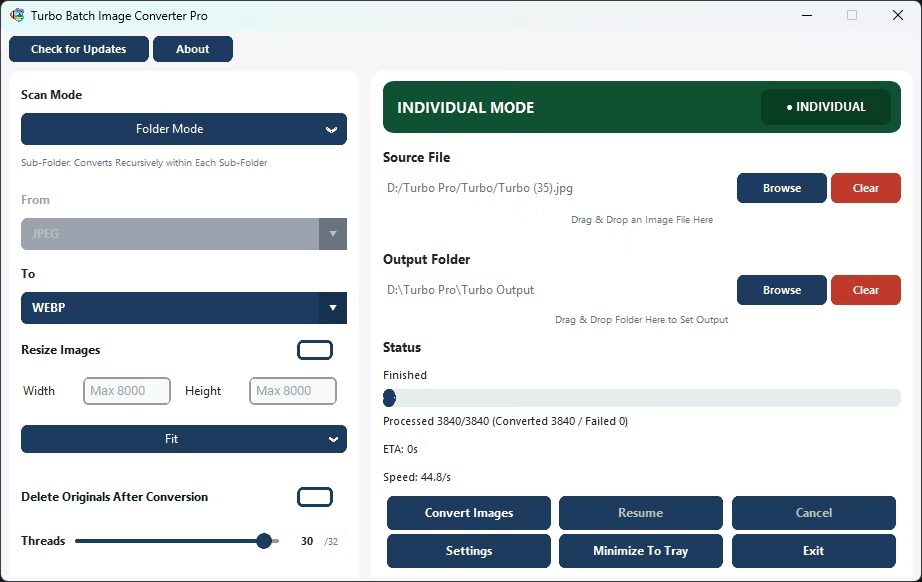
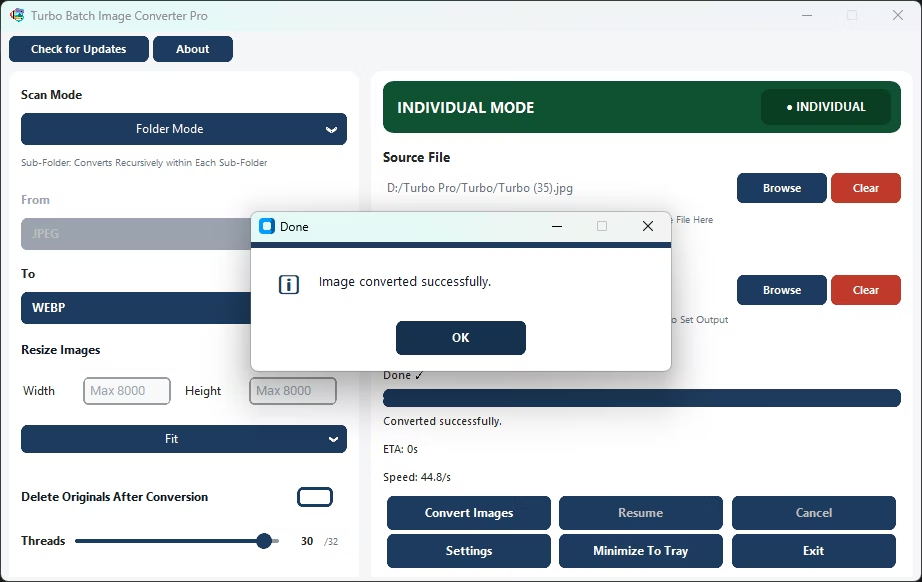
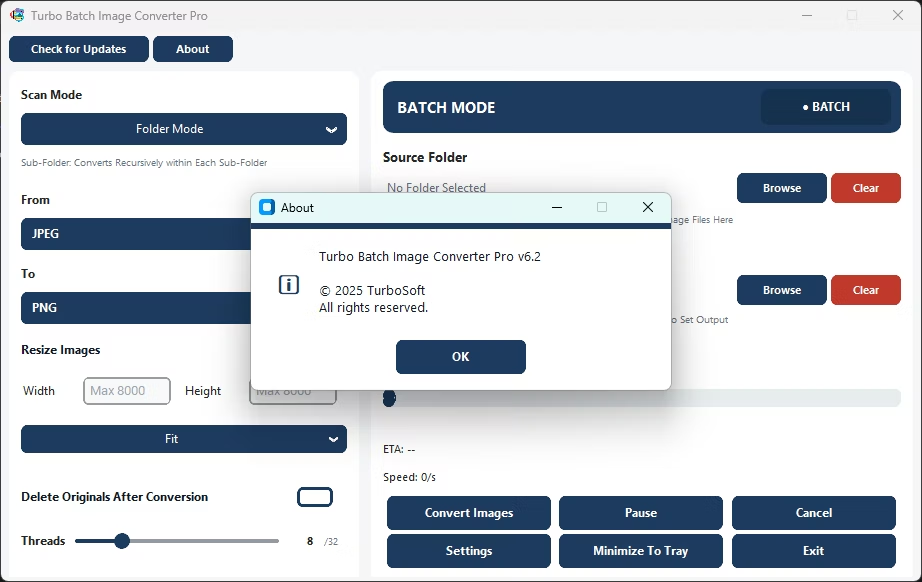
- Install Batchify Image Converter and Resizer Pro on your Windows PC.
- Open the app and select Batch Mode for multiple files, or Individual Mode for a single TIFF file.
- Drag your TIFF file or folder into the app window, enabling recursive folder scanning if needed.
- Set the "From" format to TIFF and the "To" format to WebP.
- Choose lossless mode to preserve exact quality, or lossy mode for smaller files.
- Click Convert. WebP files are written to the output folder, fully offline.
- 100% offline — your images are never uploaded anywhere
- Bulk conversion of entire folders, including sub-folders, in one click
- Choice of lossless or lossy output depending on your quality needs
- Dramatic file size reduction for web-ready delivery
- Multi-core processing for fast handling of large batches
- Option to delete original TIFF files automatically after conversion
If you only need straightforward format conversion without RAW or HEIC support, Batchify Image Converter and Resizer Lite covers this exact TIFF-to-WebP conversion in a lighter, more focused app.
Why doesn't TIFF work well for websites?
Browsers don't natively render TIFF files, and even when they did support it through plugins historically, the large file sizes would make pages load slowly, which is why a web-friendly format like WebP is the better choice.
Should I use lossless or lossy WebP for my TIFF files?
Lossless preserves the exact image data while still typically reducing file size compared to TIFF, while lossy mode shrinks files much further if some quality tradeoff is acceptable for your use case.
Can I convert an entire scanned archive to WebP at once?
Yes, Batch Mode handles entire folders, including nested sub-folders, and scales conversion speed across multiple CPU cores.
Ready to convert your images offline, in bulk, with full privacy?